
A Snapshot of Summerseat’s History
Summerseat, nestled in the Irwell Valley north of Bury, Lancashire, boasts a rich history interwoven with the rise of the Industrial Revolution.
Early Beginnings:
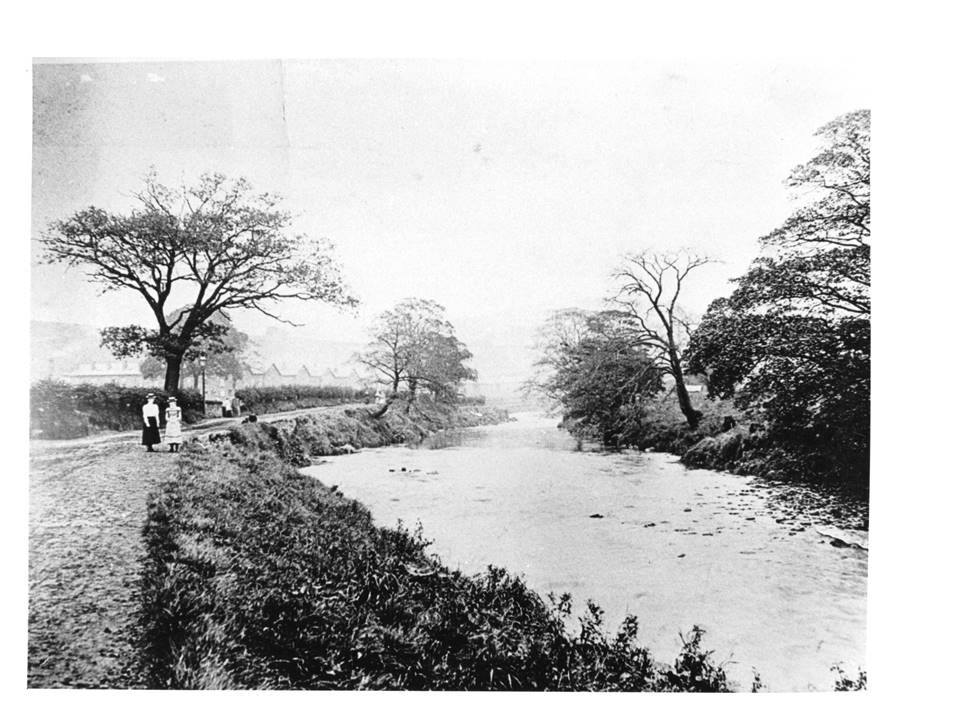
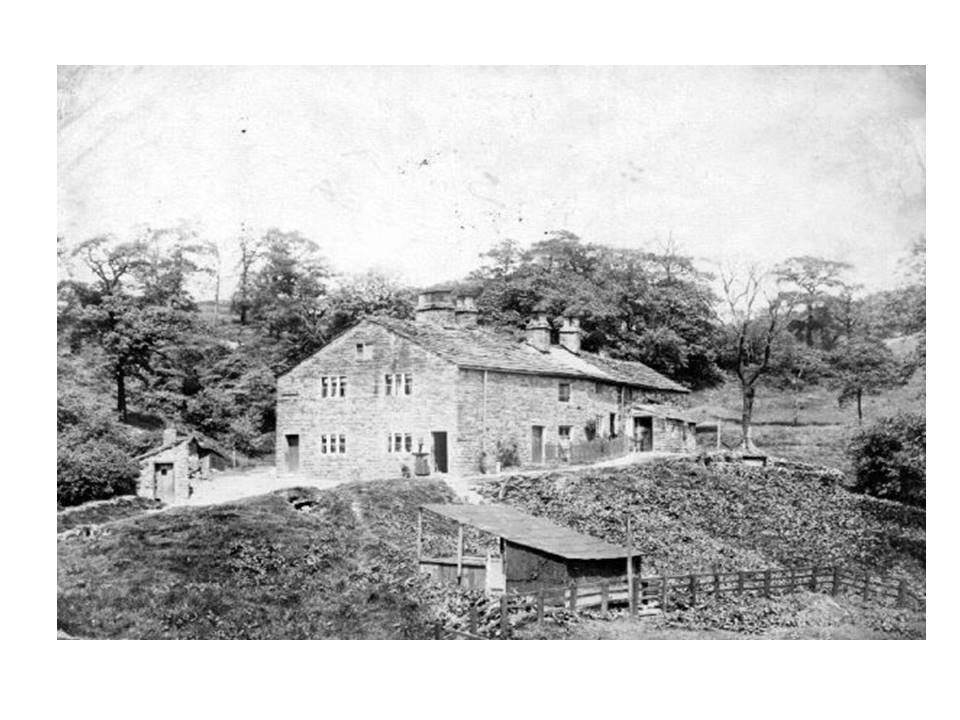
During the 1600s and 1700s the area of Brooksbottoms and Summerseat contained only scattered farms and hand-loom weavers’ cottages in a rural setting. The earliest reference to Summerseat is from 1556 when it was known as ‘summersett’, meaning a hut or shelter used in summertime.
The Industrial Age:
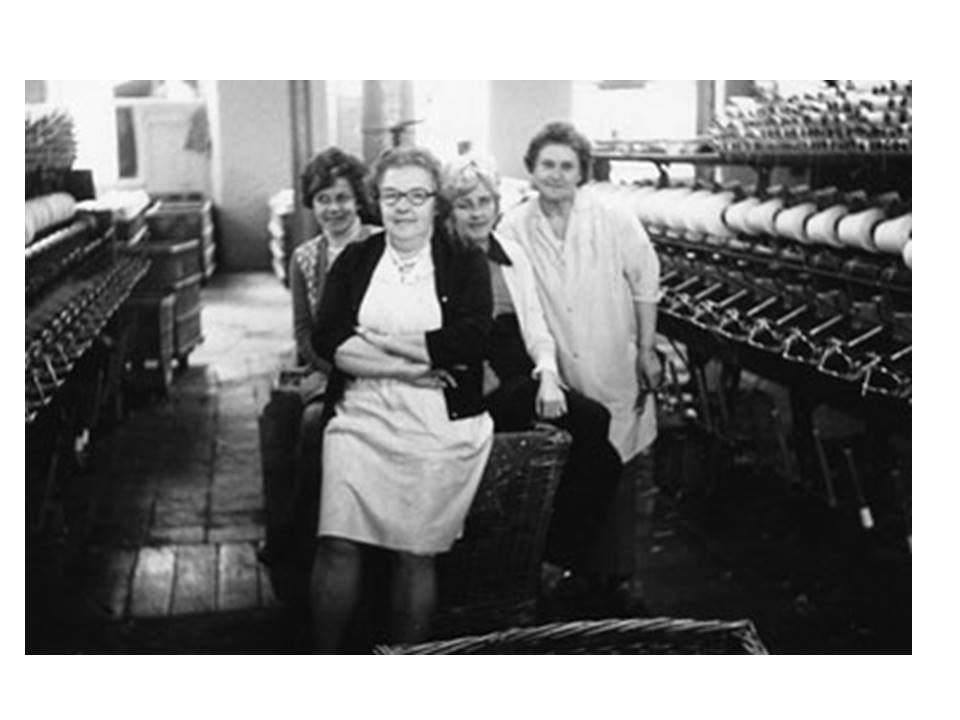
Development in the area began in the late eighteenth century with the arrival of the cotton industry and the first mill was built in around 1773.
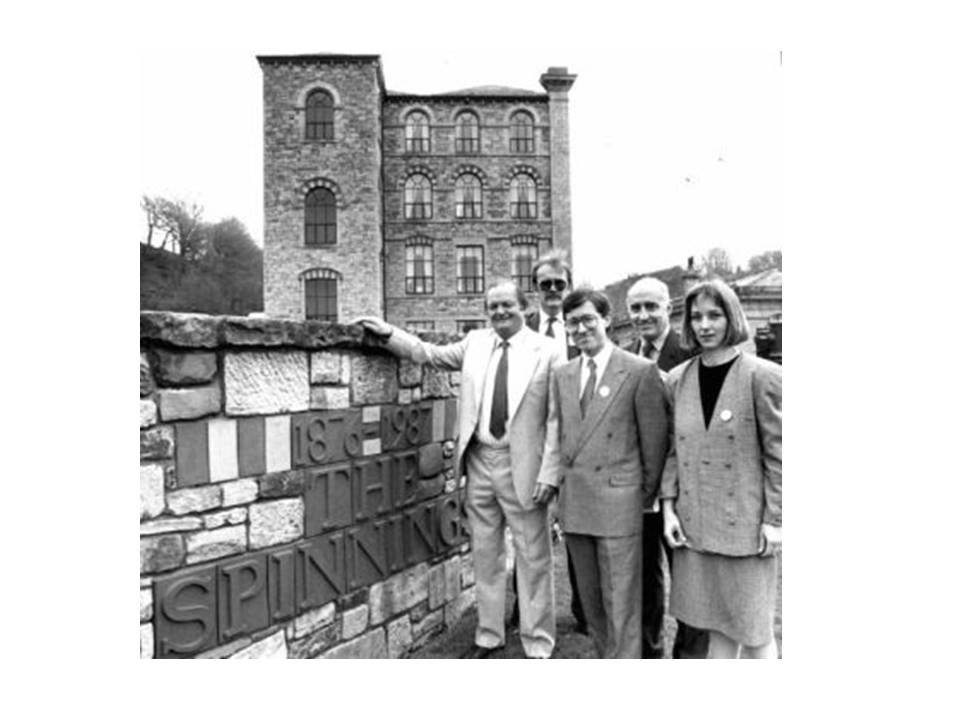
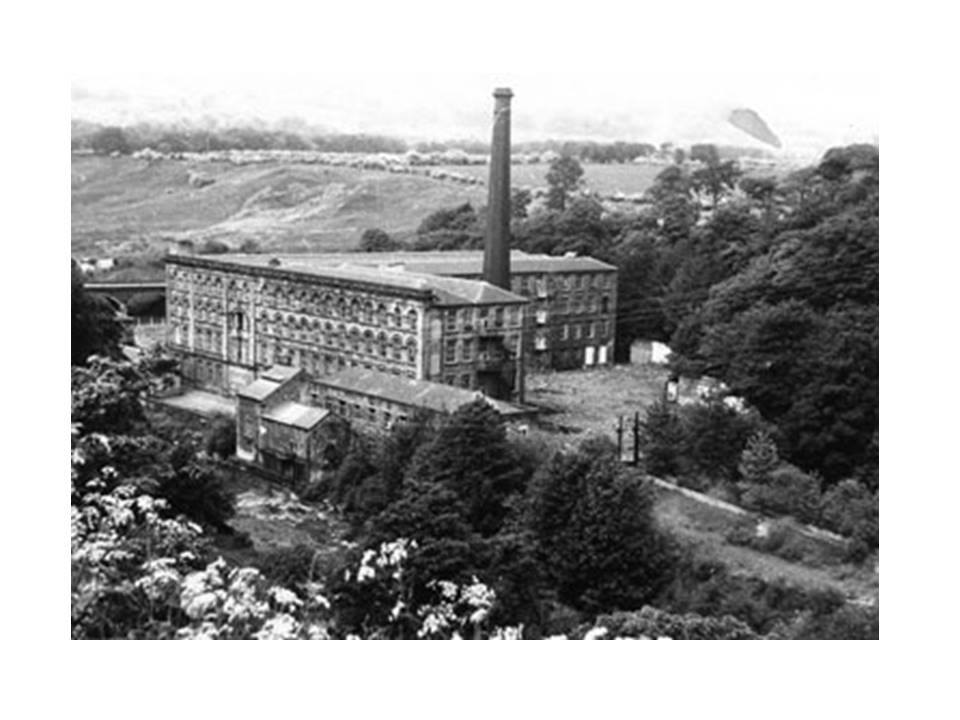
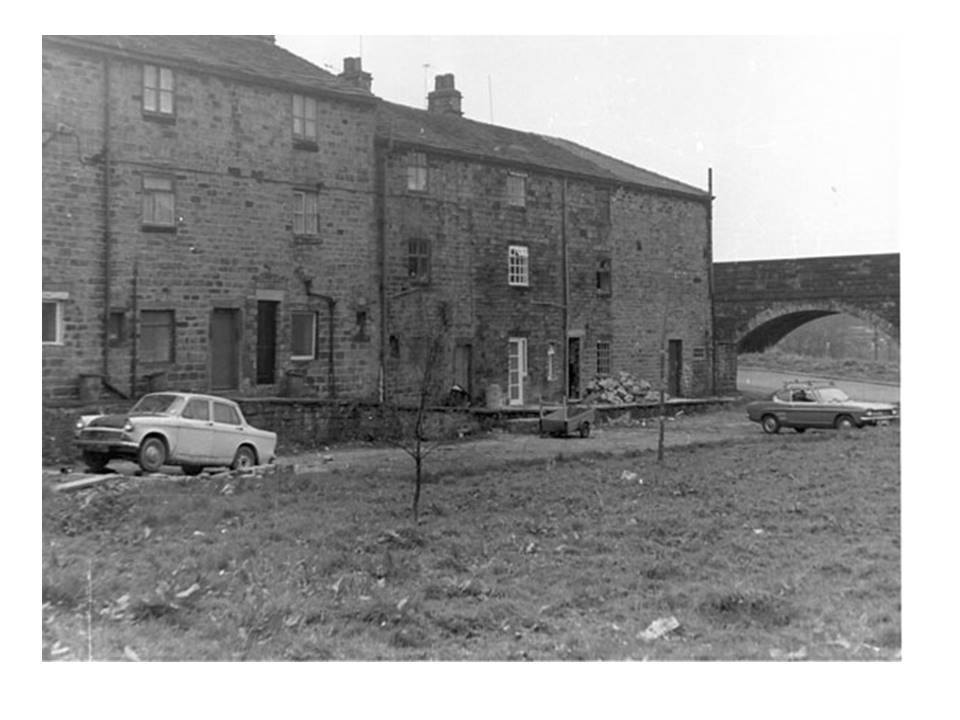
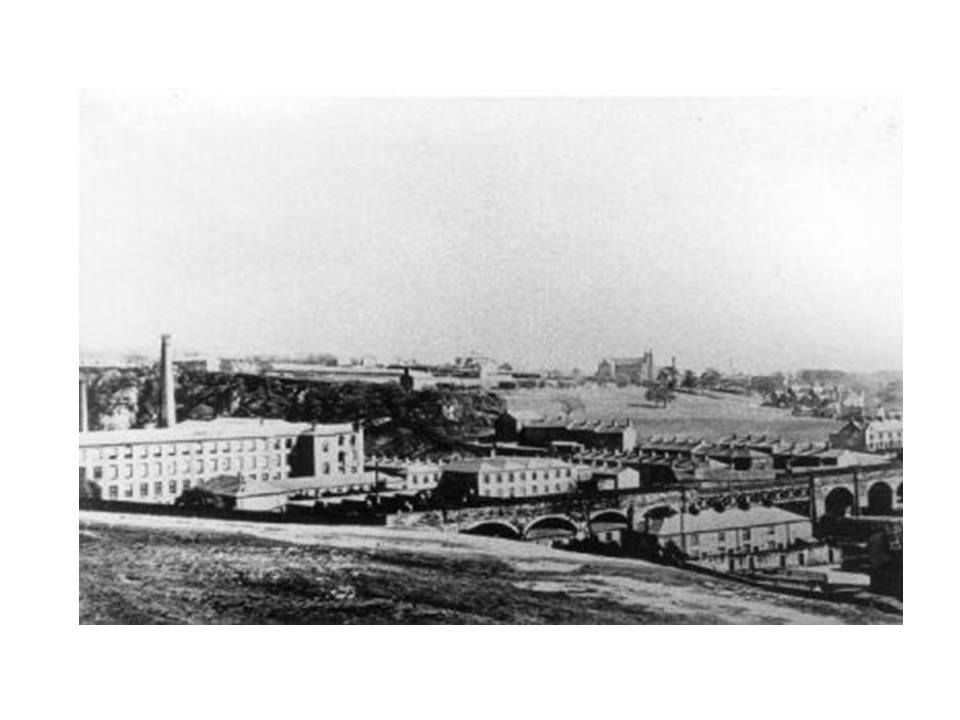
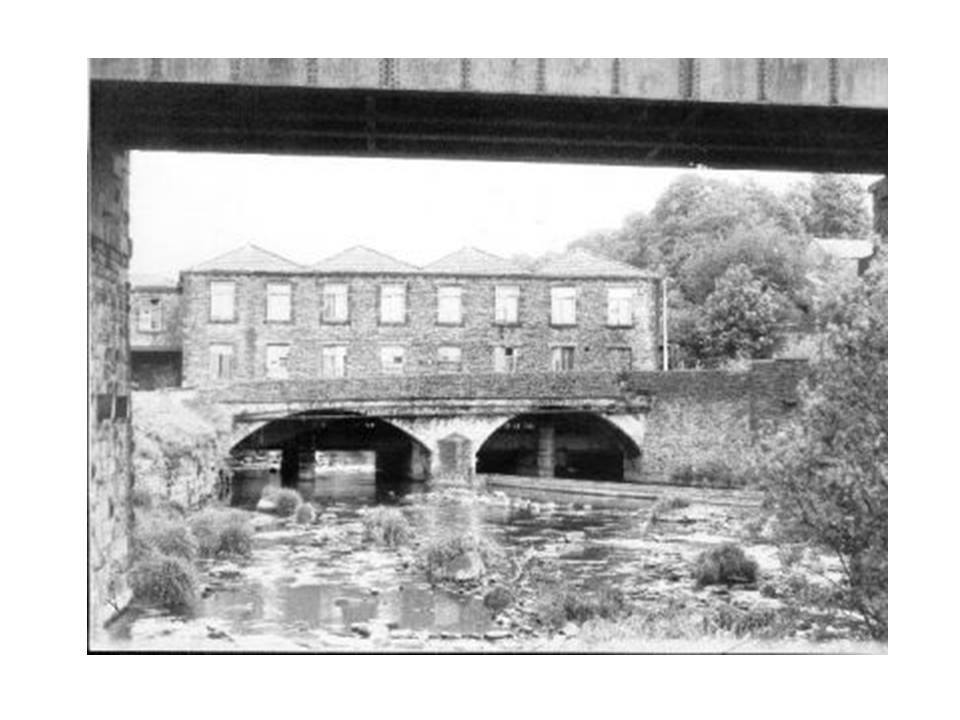
The 18th and 19th centuries saw significant growth in Summerseat, fuelled by the cotton industry. The iconic Joshua Hoyles cotton mill, built in 1820 and now converted into apartments, stands as a testament to this era.
Transportation Hub:
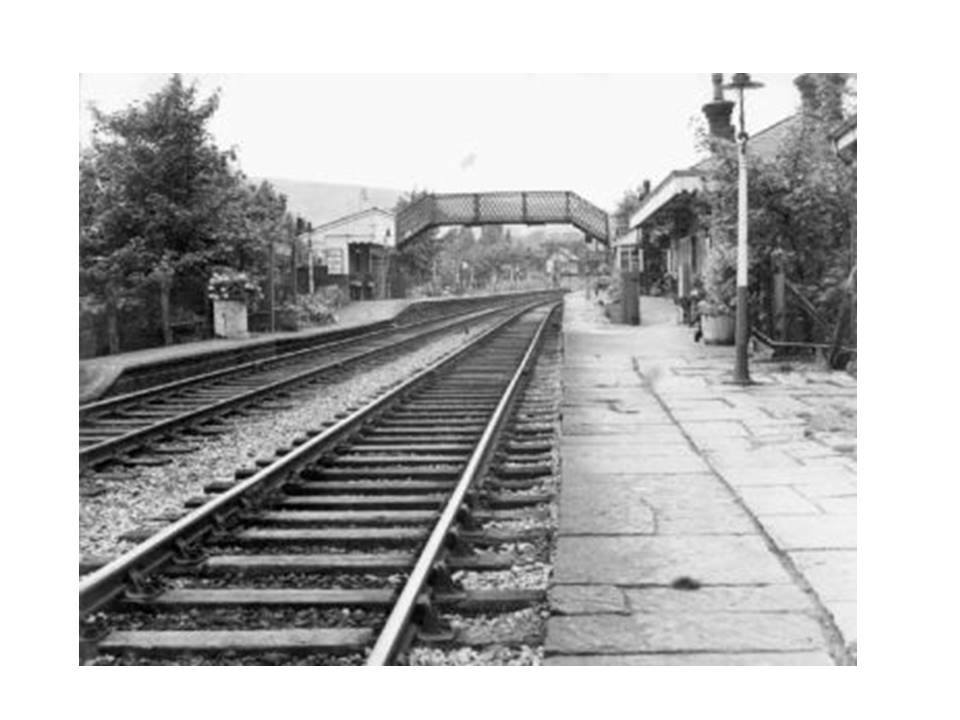
Summerseat’s location along major transportation routes played a crucial role. The East Lancashire Railway, a preserved steam railway, still operates through the village with a station in Summerseat, offering a glimpse into the past.
A Thriving Community:
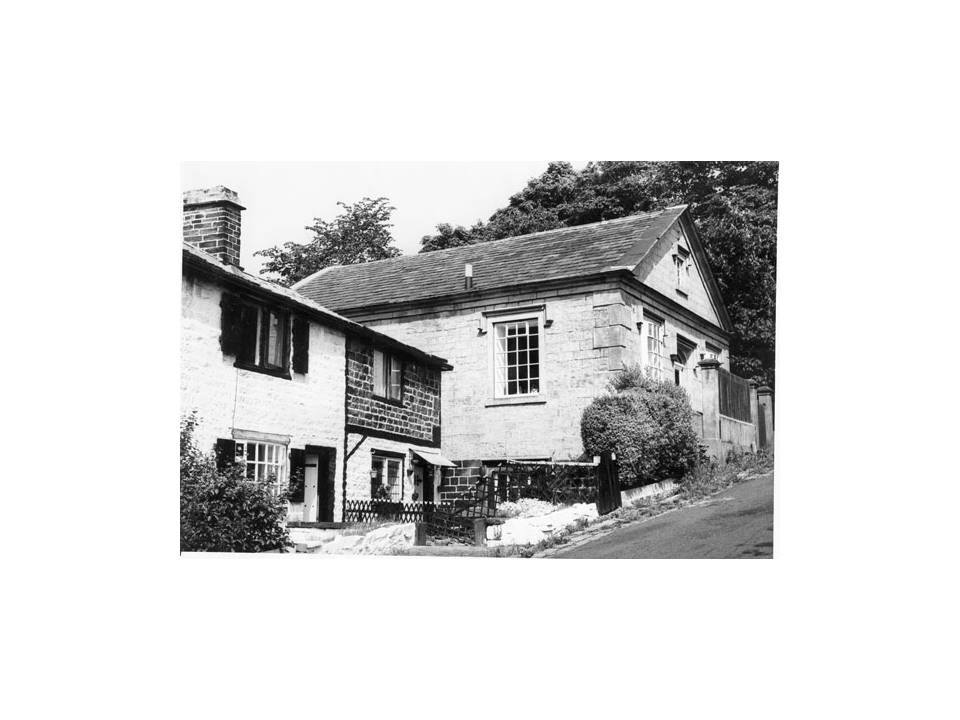
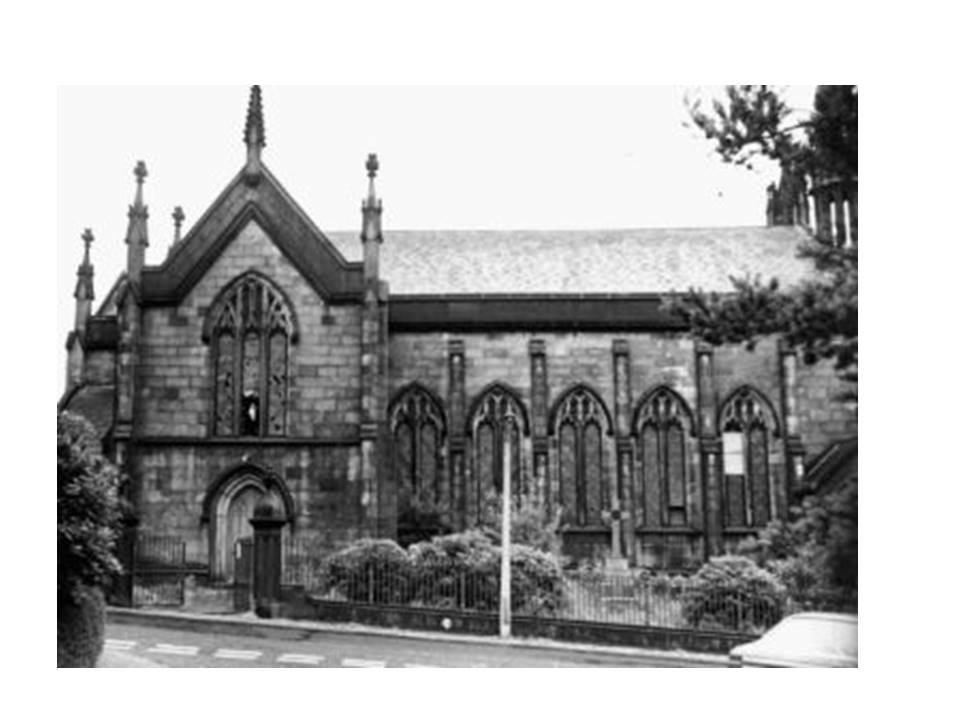
Despite the decline of heavy industry, Summerseat has evolved into a vibrant village. Designated as a conservation area, it retains its charm with a mix of residential and commercial properties. Landmarks like Peel Hall, Summerseat House, Rowlands Church & School, and the Summerseat Nature Reserve add to the village’s character.
Looking Forward:
Today, the Summerseat Village Collective actively works to improve the village for the benefit of all residents. With a focus on community engagement and sustainable development, Summerseat continues to write its story as a welcoming and dynamic place to visit and live.
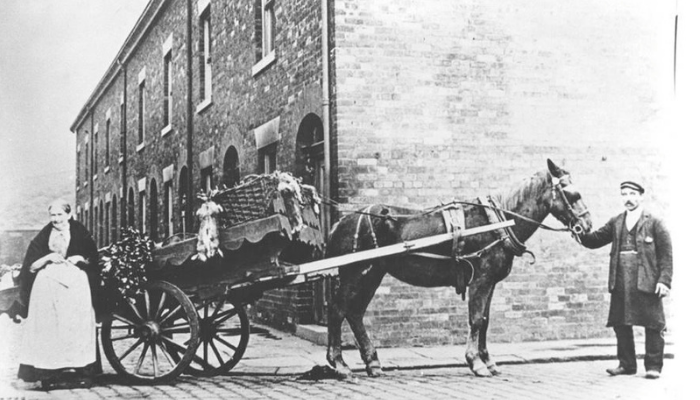
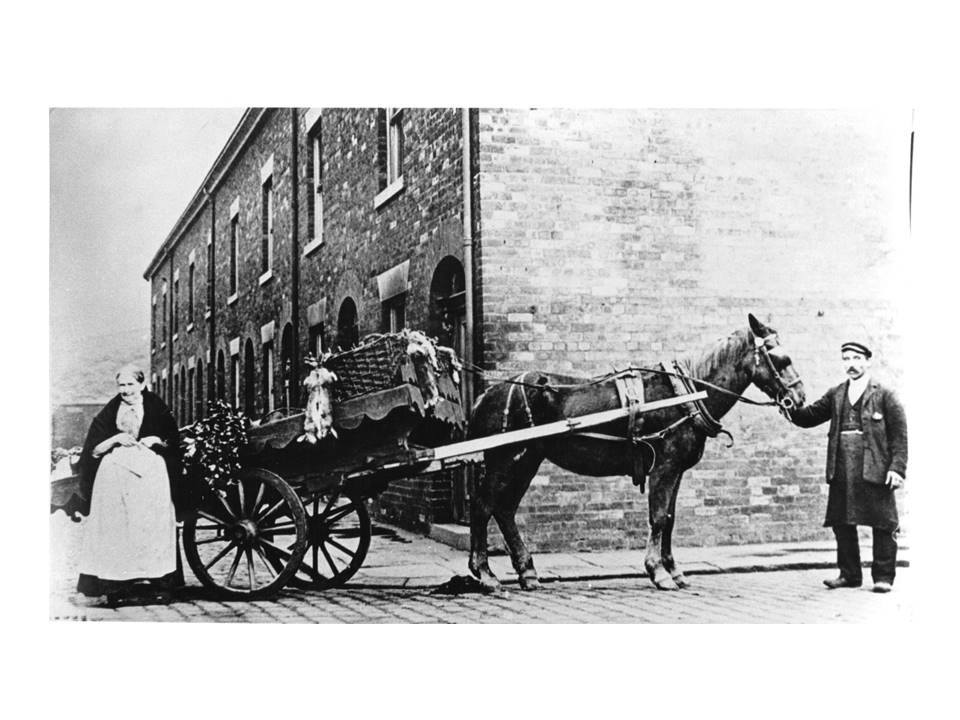
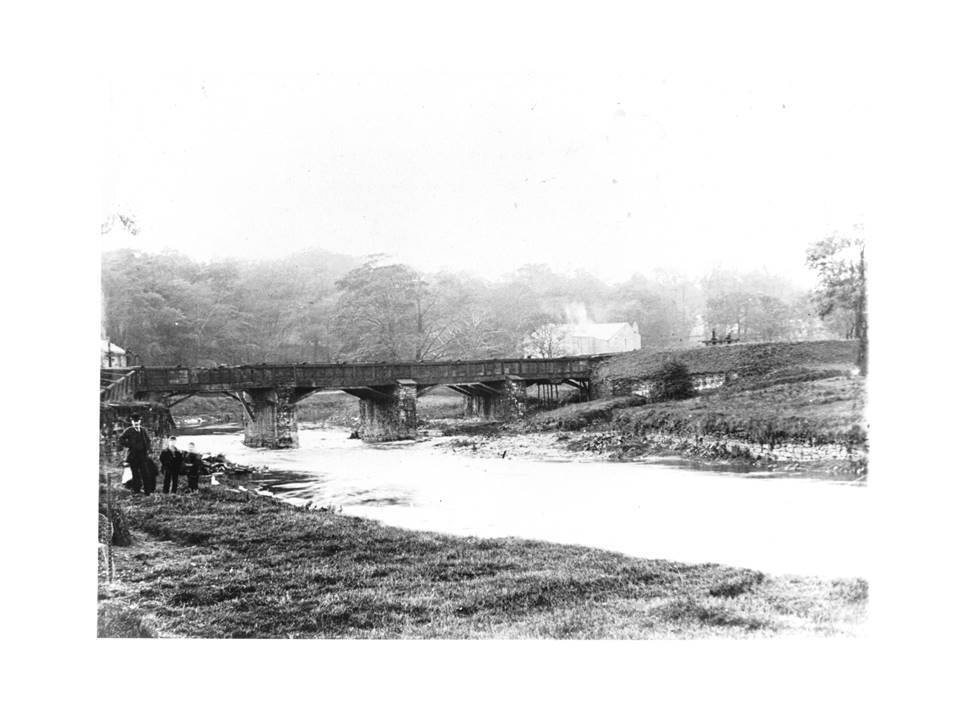
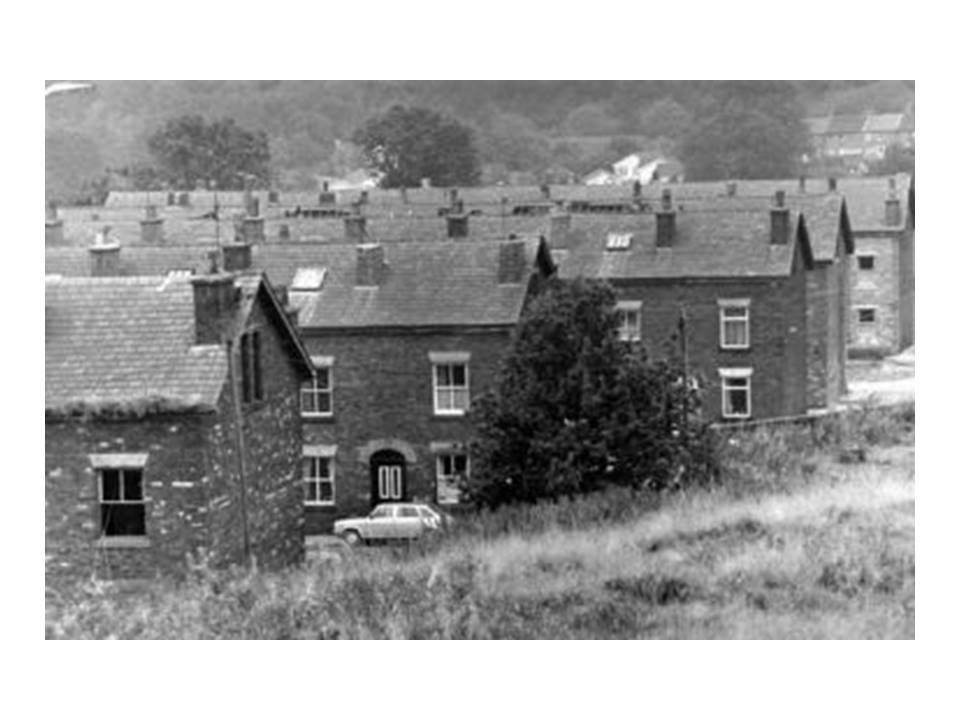
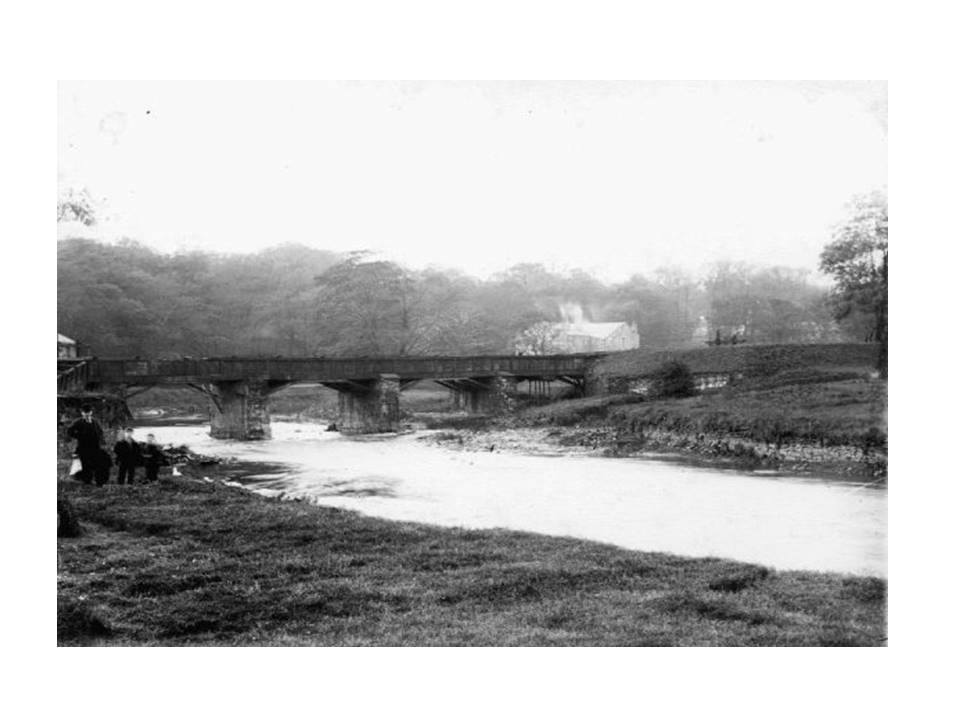
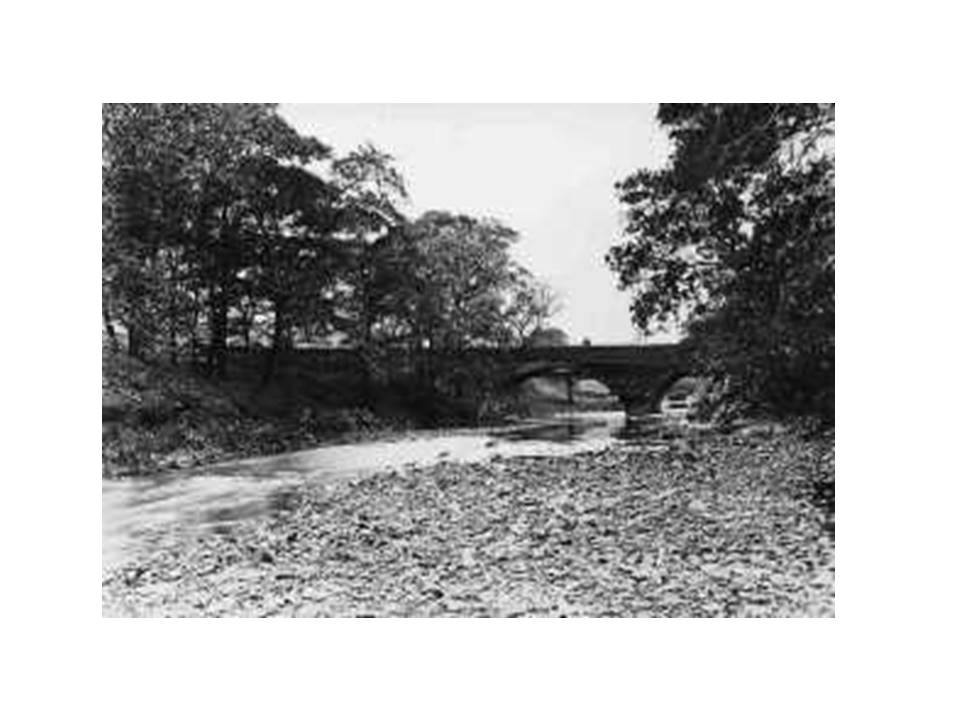
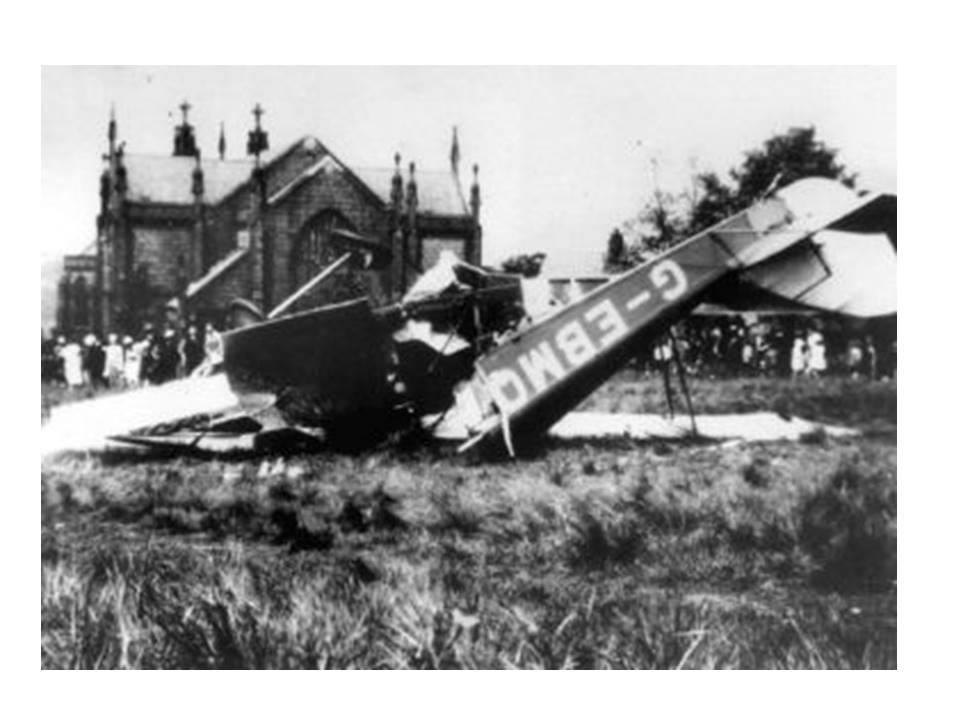
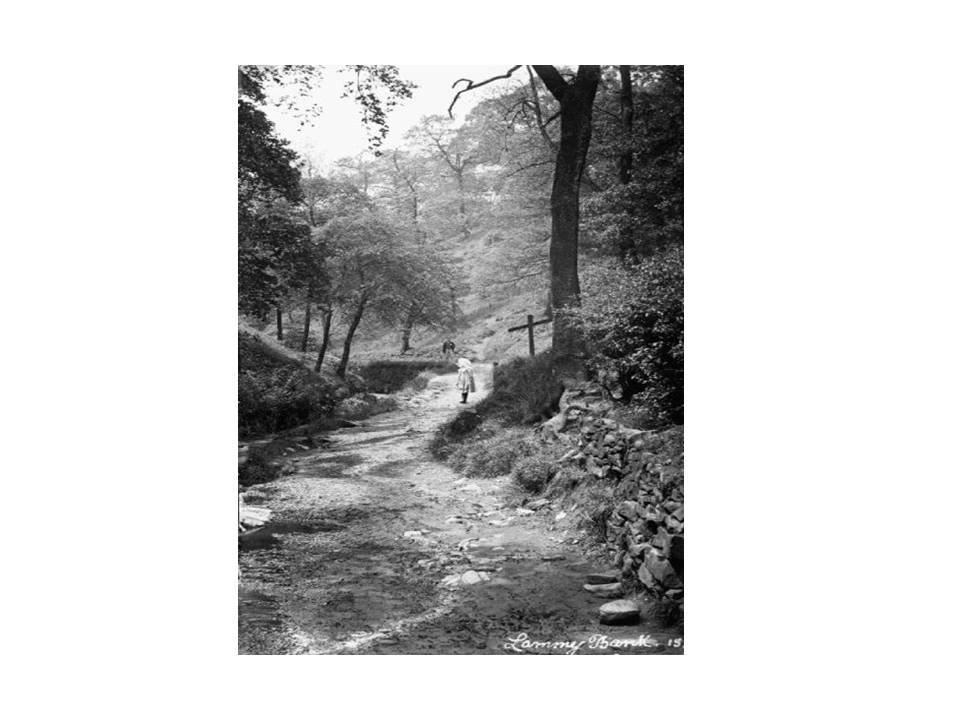
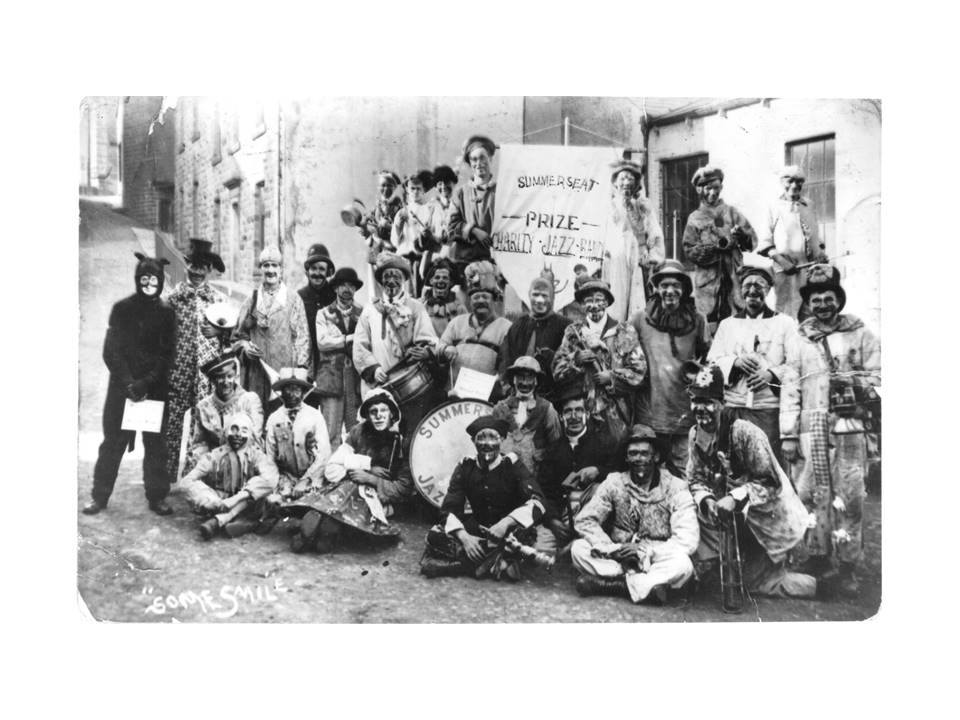
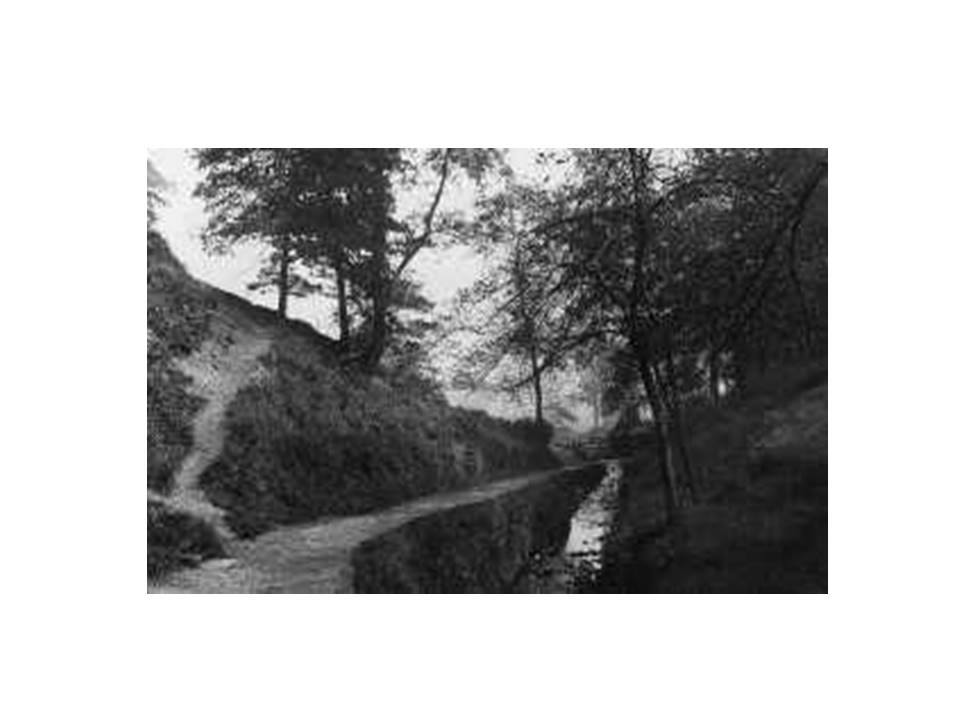
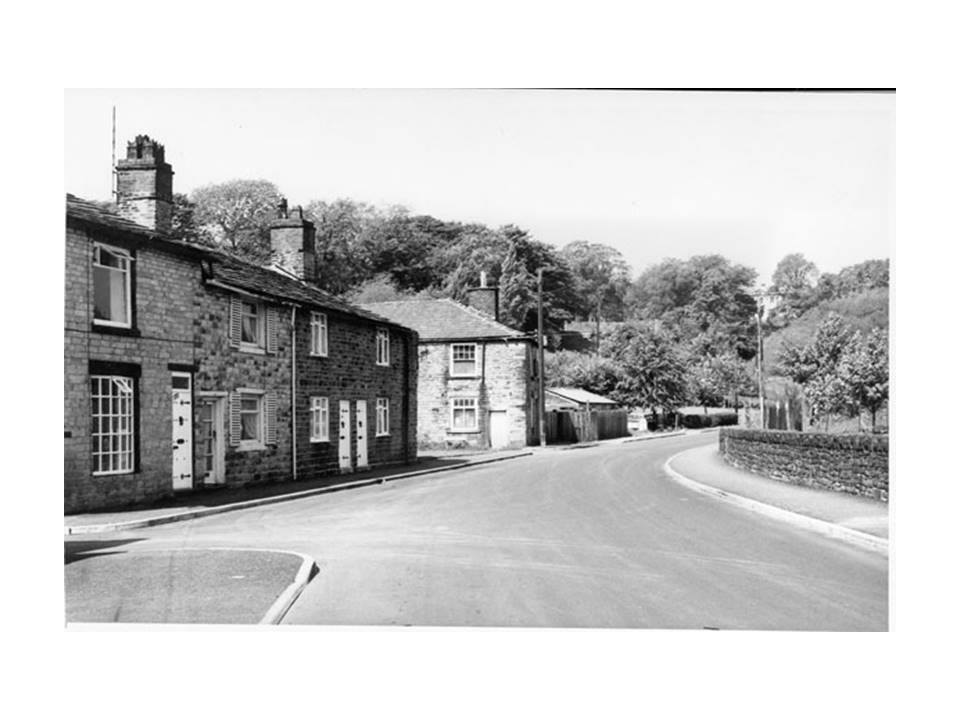
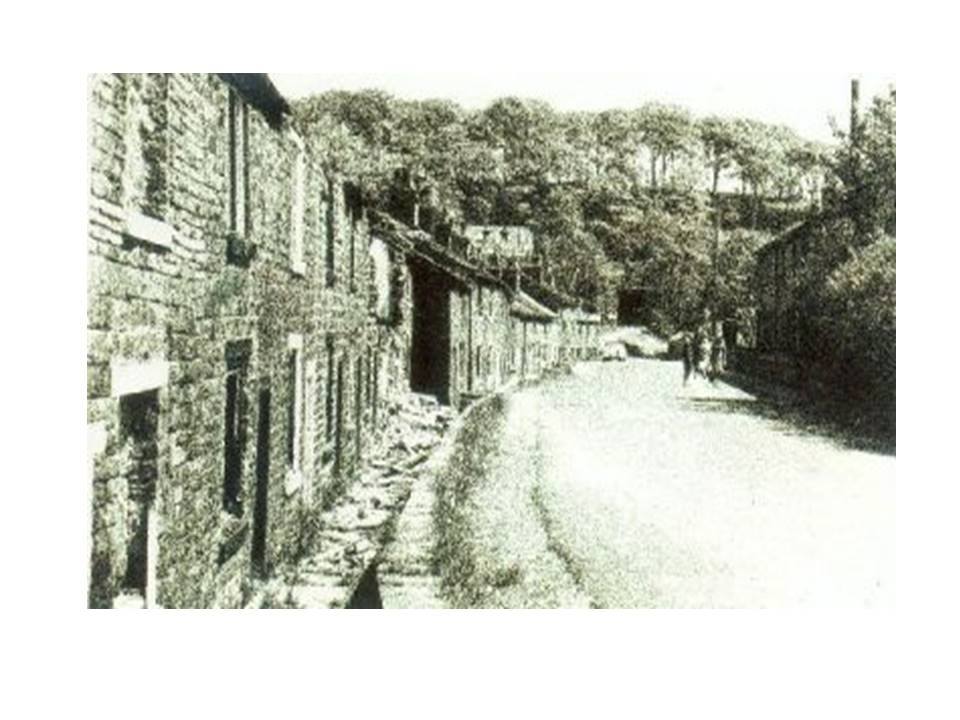
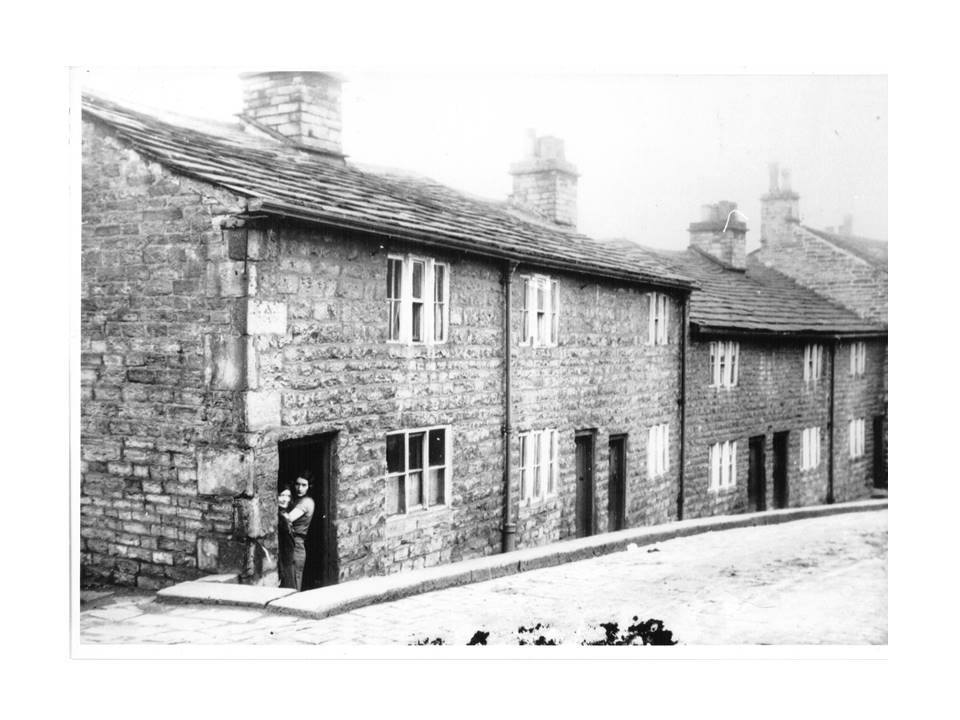
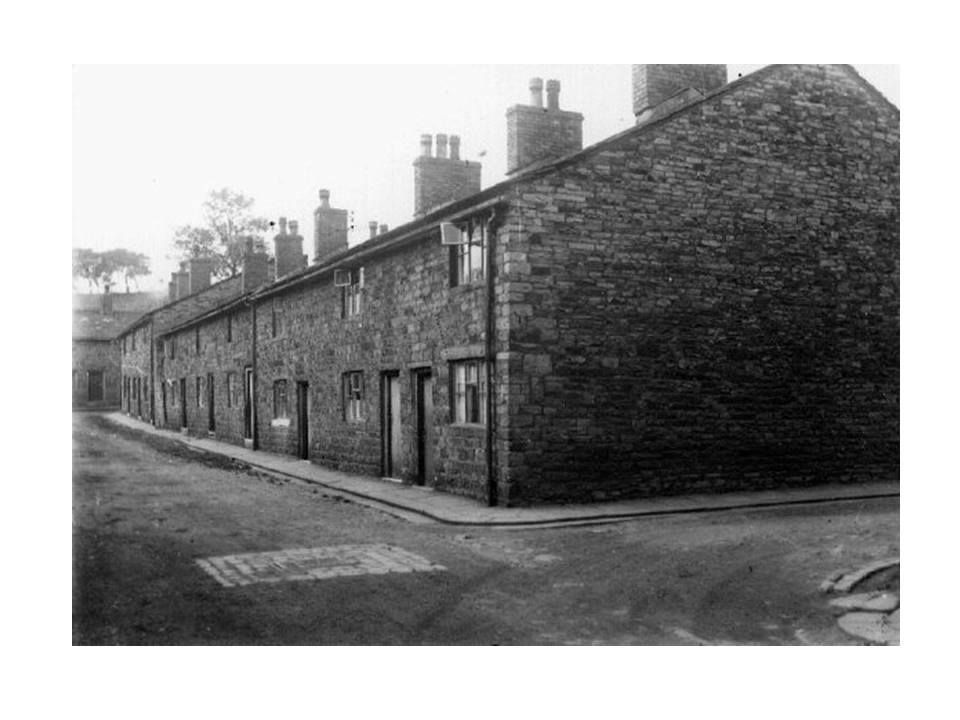
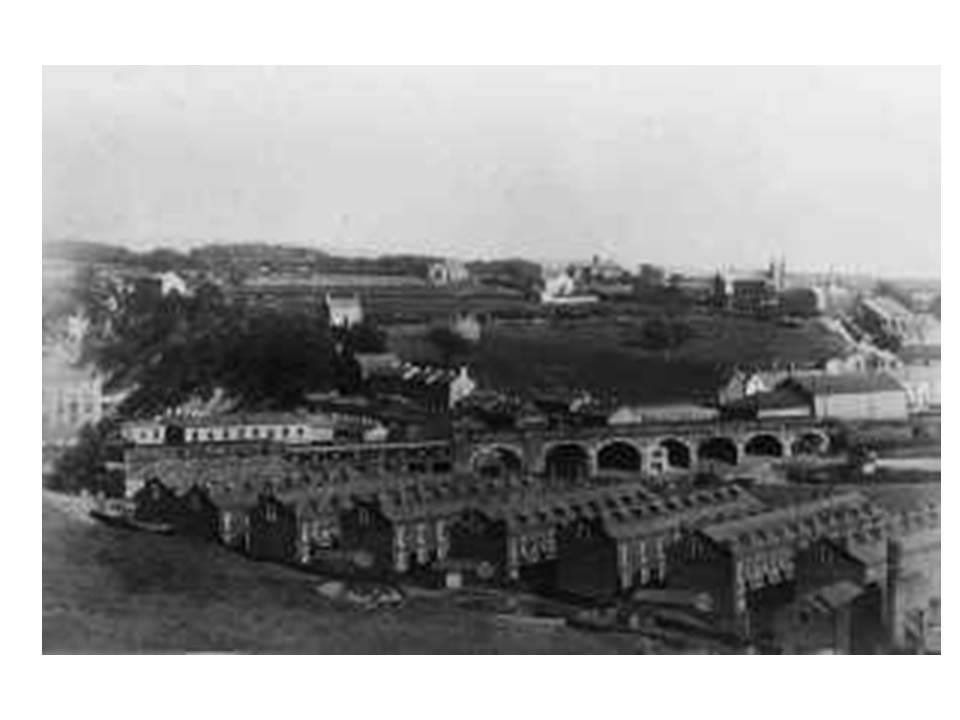
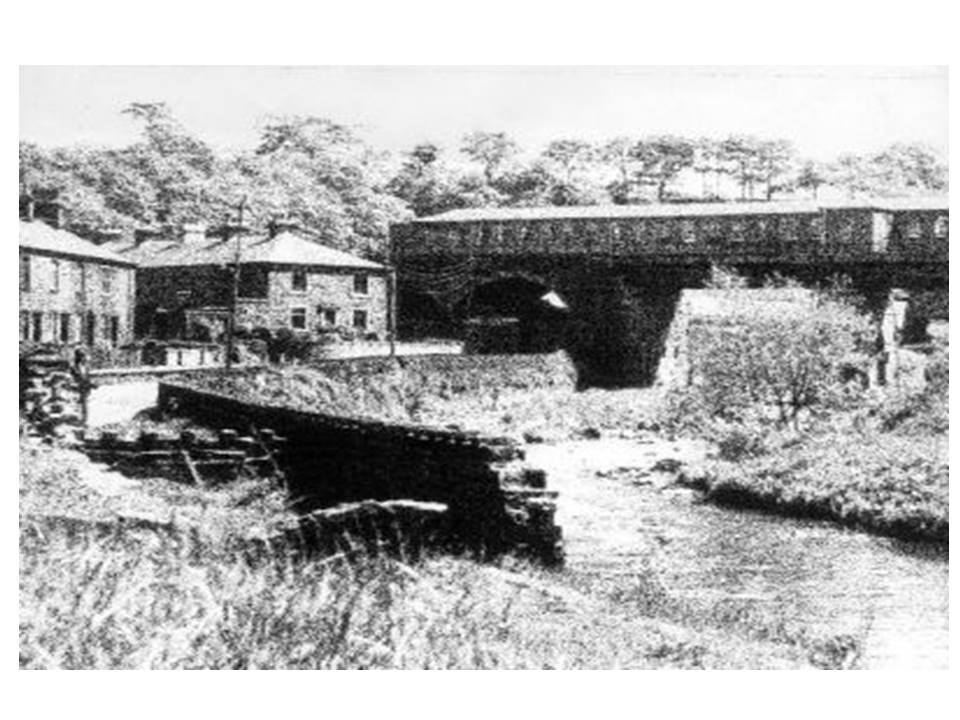
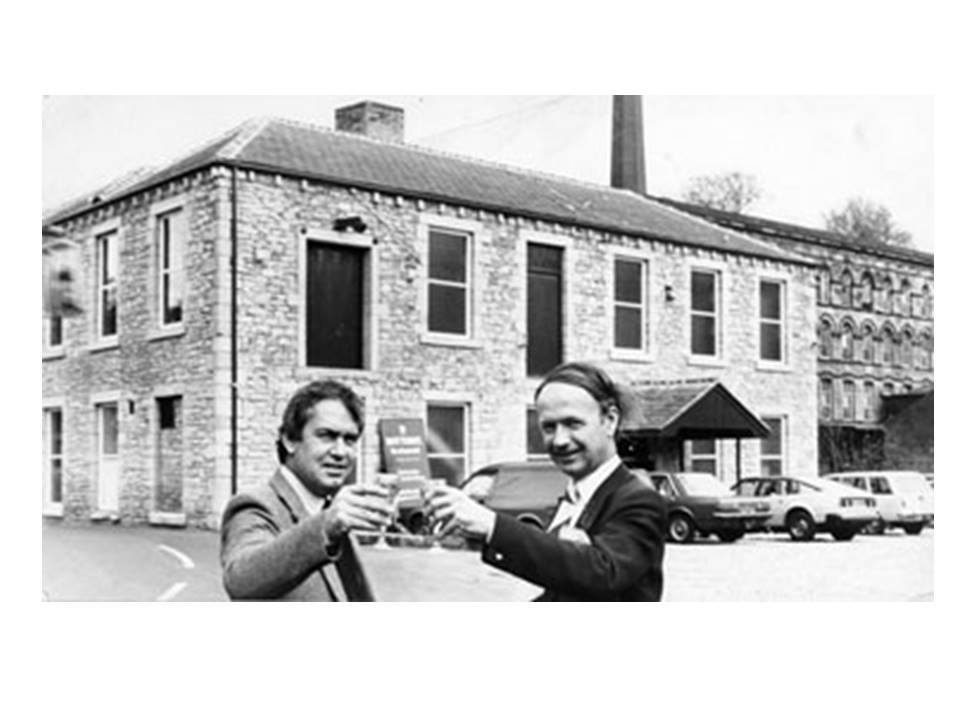
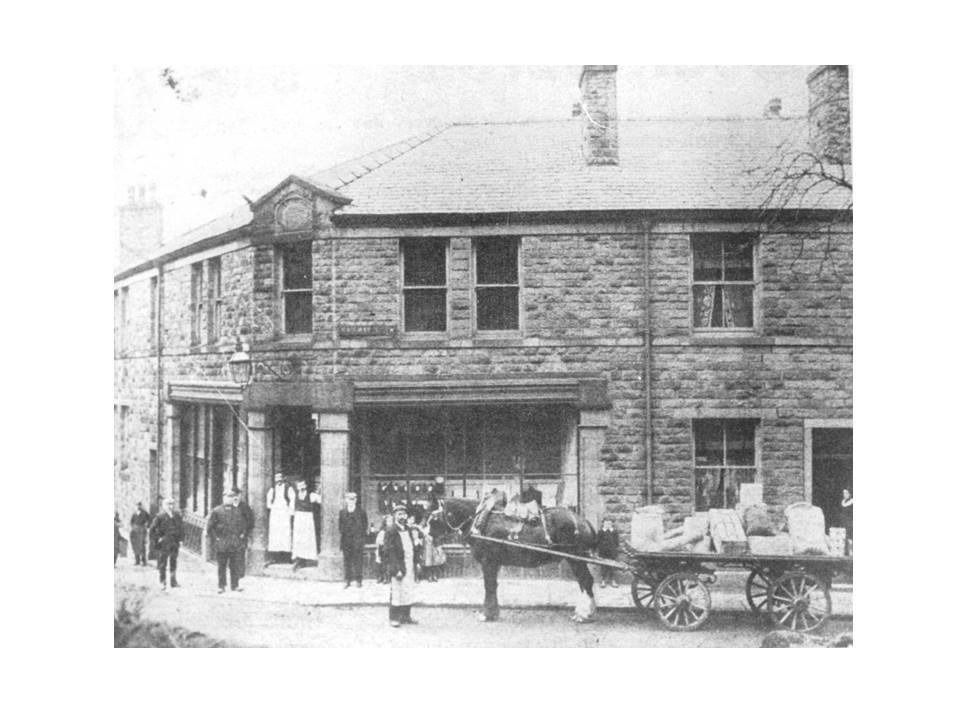
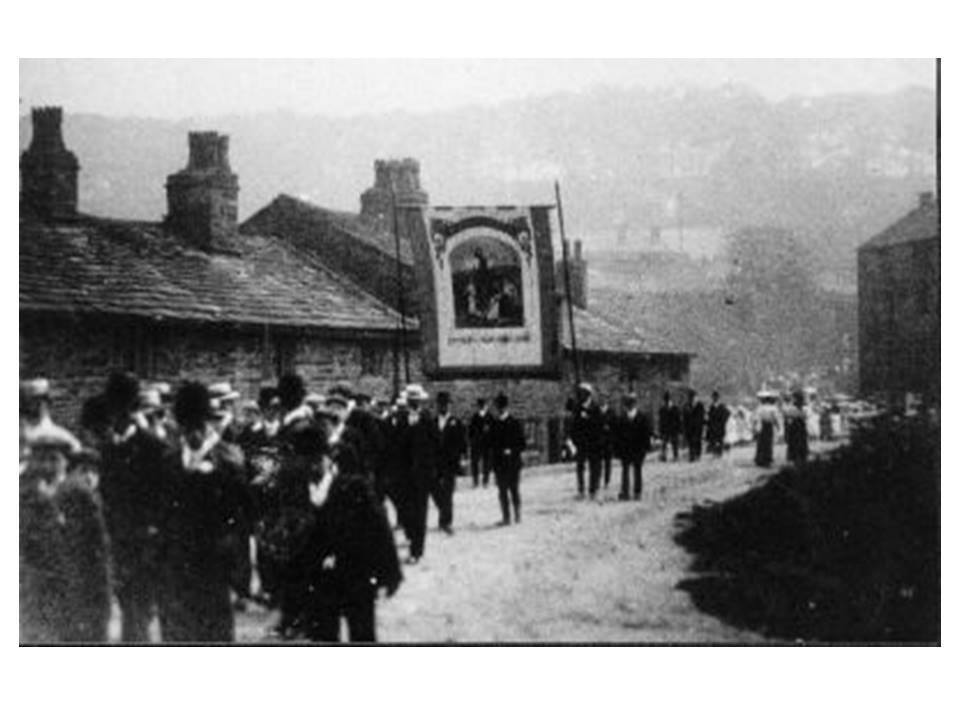
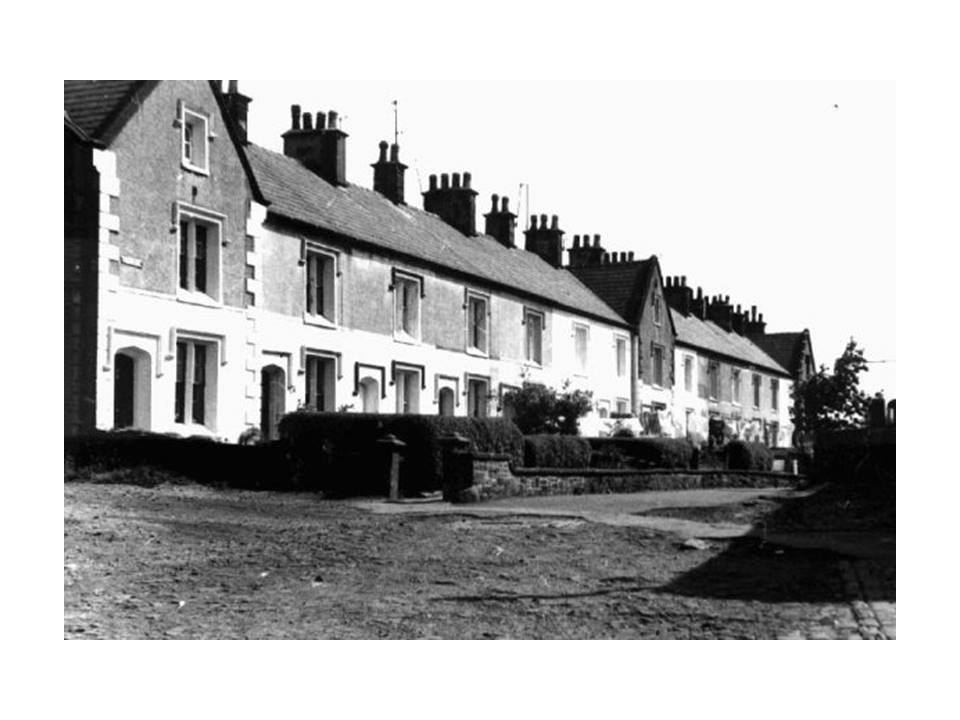
See how the village has changed over the years.
If you have any old photographs, we’d love to see them and share them with our community.
Please email them to summerseatvc@gmail.com









 Summerseat Village Collective